VESSO — DIGITAL FASHION CONCEPT CASE STUDY
Rethinking how we buy fashion in virtual worlds.
Vesso was a 10-week concept project exploring how digital fashion, avatars, NFTs and physical garments could coexist in one coherent experience — without losing people in the hype.
I led the UX research to decode the gap between digital identity and ownership. I defined the strategy for a 'phygital' ecosystem where users feel actual value, not just hype.
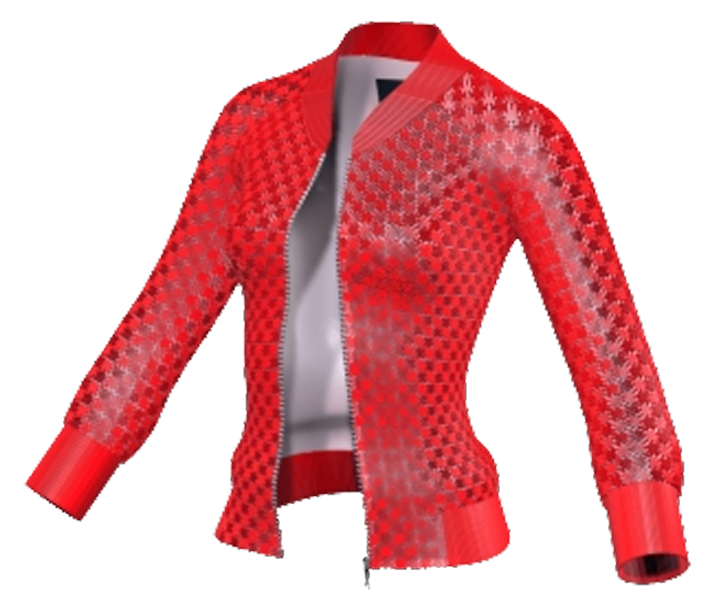
"One item, two worlds"
A physical garment, its digital twin, and an NFT certificate — all in one purchase.
Research · Understanding Digital Fashion & The Metaverse
Before designing Vesso, I needed to understand how real people perceive digital fashion, avatars and the idea of owning “virtual clothes”. The goal was to filter hype from reality, and find out where misconceptions come from.
Through desk research, market mapping and 12 semi-structured interviews, I learned how digital identity, value perception and product trust shape the adoption of virtual garments. This helped refine our concept direction: digital fashion needs to connect with identity to be meaningful.
Key Findings
- Users don’t trust digital garments unless ownership is clear.
- “Metaverse fashion” feels intimidating and unclear.
- Digital identity works when it enhances the physical self — not replaces it.
- People want simplicity and transparency over hype.
Key Insight
"Users value digital fashion when it feels authentic, personal and tied to their identity — not as speculative assets."
Motivations, Frictions & Digital Fashion Mental Models
During research, I mapped how people relate to digital fashion: what motivates them, what creates resistance, and how they mentally frame “owning” something that isn’t physical. These patterns shaped the direction of Vesso’s value proposition.
Motivations
- Express identity in digital spaces they already use.
- Try fashion they can’t afford physically.
- Enjoy creative self-expression without consequences.
- Explore new technologies when they feel purposeful.
Frictions
- Unclear value: “Why pay for pixels?”
- Lack of trust in ownership & authenticity.
- Confusion: metaverse = hype, not usefulness.
- Fear of looking naïve buying something virtual.
Mental models
- Digital items feel real only when personally meaningful.
- Ownership must be comparable to physical goods.
- Identity bridges both worlds, not replaces one.
- Technology should enhance, not complicate.
From Research to Product Strategy
After understanding users’ motivations, anxieties and mental models, the next step was defining how Vesso could create real value — not only as a digital fashion product, but as a sustainable ecosystem.
The goal wasn’t just “selling digital clothes”. The goal was creating a platform where culture, identity and commerce reinforce each other — giving users a reason to explore, creators a reason to publish, and brands a reason to invest.
01 — Empowering the Creator Economy
- A dual marketplace for digital wearables + physical items
- Tools for creators to publish, showcase and monetise
- Collaborations to build cultural relevance
- Creator-driven activity that fuels community identity
02 — Designing User Engagement Loops
- Virtual runway experiences → inspiration & discovery
- Avatar identity events → self-expression & participation
- Immersive brand worlds → emotional connection
- Collectible digital twins → trust & long-term value
03 — A Sustainable Phygital Business Model
- Digital-to-physical bundles increase purchase confidence
- NFT provenance ensures authenticity & ownership
- Limited digital-first drops create anticipation
- Events & activations drive recurring revenue
Product Vision · The Vesso Ecosystem
A unified platform where creators, brands and users participate in a culture-driven, identity-first digital fashion experience.
The goal wasn't just building a store. The vision behind Vesso was to create a phygital ecosystem where culture, identity and commerce reinforce each other — a space where users can express their avatars, creators can build brands, and value builds long-term utility.
01 · Identity Layer
- Avatar Identity
- Digital-first self expression
- Customization & personalization
- Ownership that feels authentic
02 · Expression Layer
- Marketplaces for digital wearables
- Tools for creators to publish
- Collaborations to build culture
- Brand-driven series & drops
03 · Commerce Layer
- Phygital bundles
- NFT provenance & ownership
- Limited digital-first drops
- Events & activations drive recurring value
04 · Community Layer
- Live brand activations
- Avatar identity events
- Immersive brand worlds
- Social connection through style
Who We Designed For
Three user archetypes shaped how Vesso blends identity, culture and commerce into a unified experience.
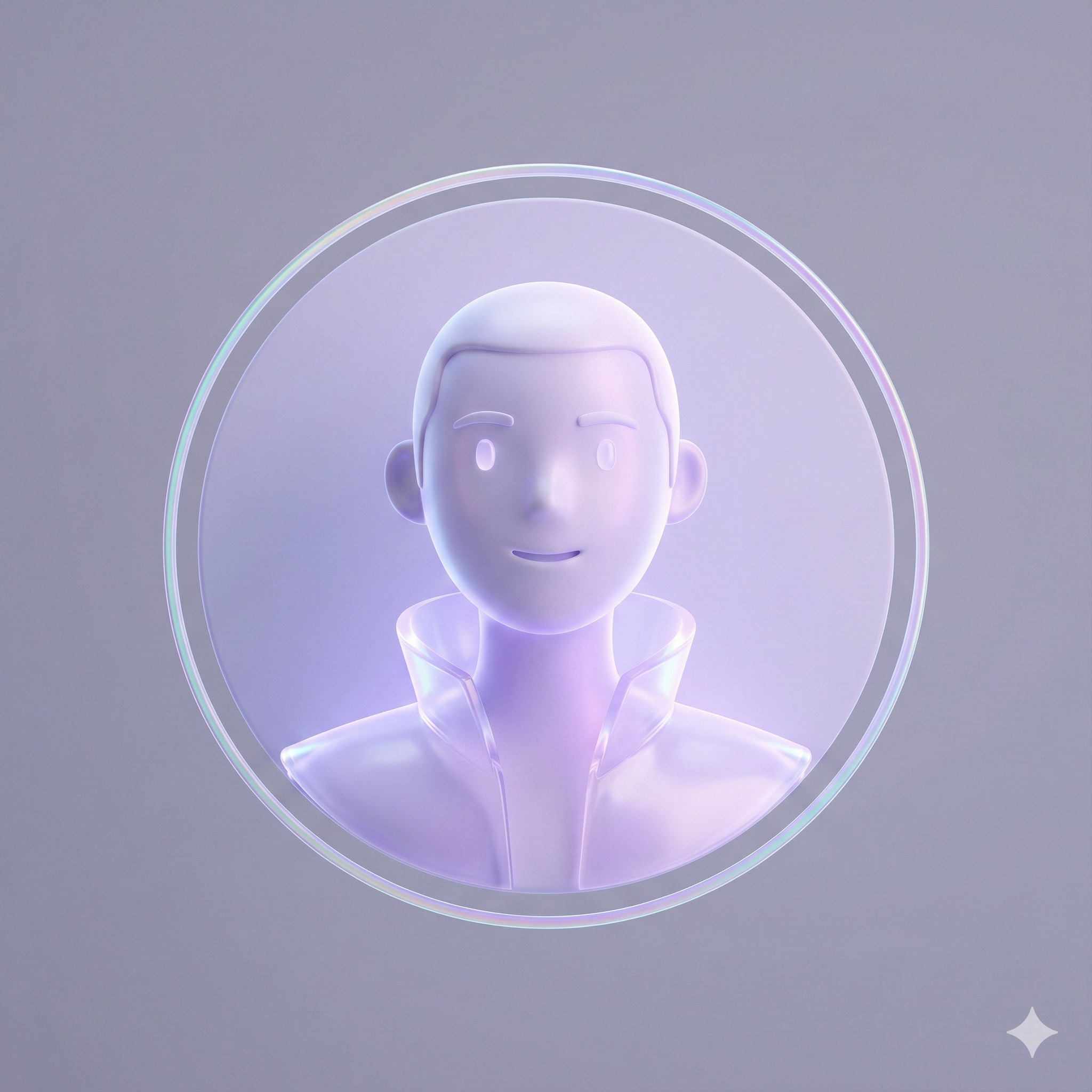
01 — The Self-Expression Seeker
“I want my digital identity to feel meaningful.”
Who they are
- Users who see their avatar as part of their identity.
- Curious about digital fashion but not blindly convinced by hype.
- Comfortable exploring new aesthetics in virtual spaces.
Motivations
- Expressing unique aesthetics through their avatar.
- Experimenting without real-world risk.
- Wanting coherence between physical and digital identity.
Friction
- Unclear value of digital fashion.
- Low-quality experiences in existing platforms.
- Trust issues with digital-only items.
Value in Vesso
- Runway experiences that inspire identity.
- Avatar events for cultural participation.
- Curated digital wearables.
- Digital twins linking both identities.
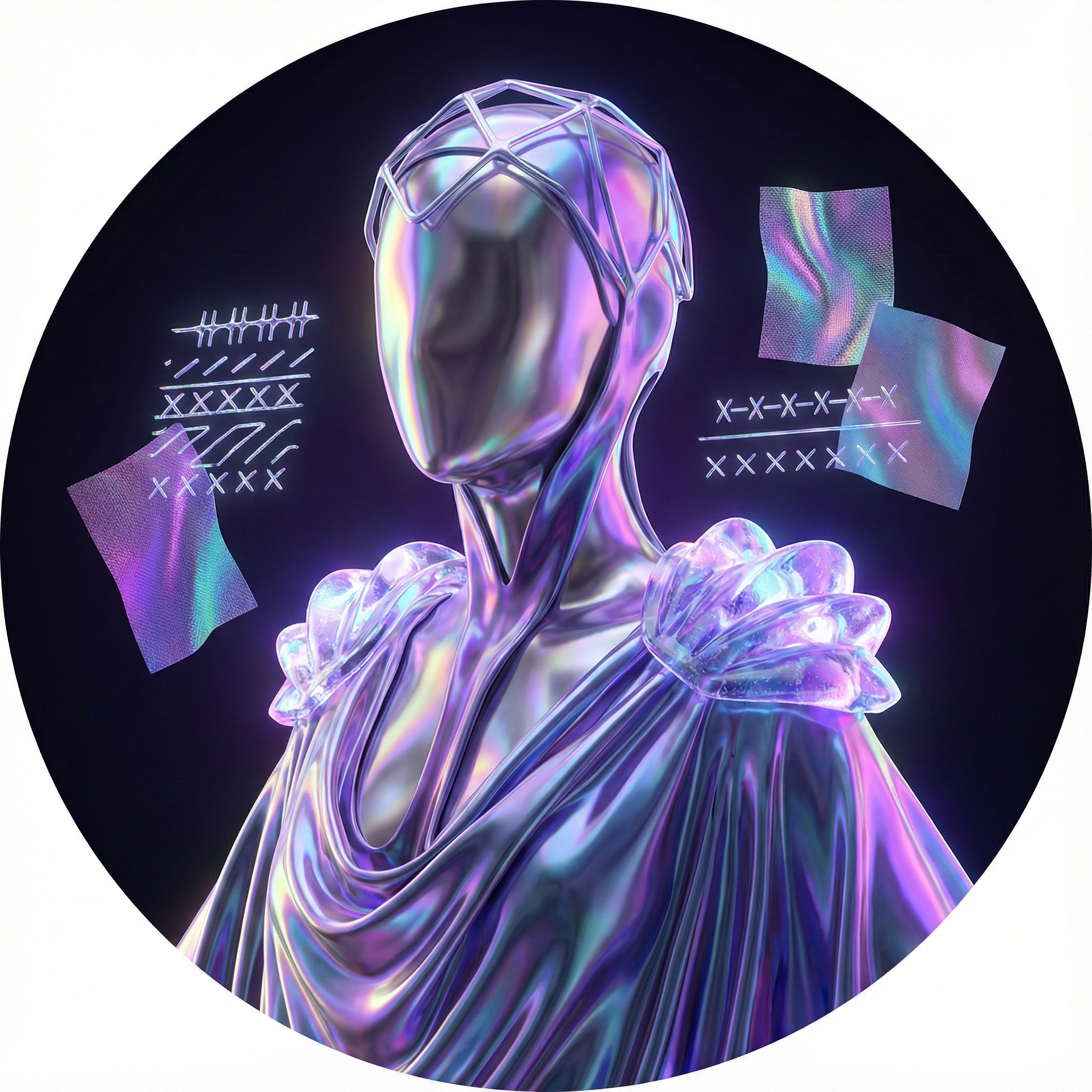
02 — The Cultural Creator (Fashion & Digital Apparel Designer)
“I need visibility, the right tools and an audience that values my work.”
Who they are
- Digital apparel designers & virtual fashion creators.
- Artists pushing experimental silhouettes & digital aesthetics.
- Creators seeking visibility beyond traditional channels.
Motivations
- Publishing their work in a relevant space.
- Monetising digital garments.
- Collaborating with brands & creators.
- Building presence in digital fashion culture.
Friction
- Saturated platforms with low discovery.
- Poor monetisation options.
- Tools not aligned with fashion workflows.
Value in Vesso
- Marketplace for digital + physical collections.
- Creator tools tailored to 3D fashion.
- Brand universes for visual storytelling.
- Creator-first discovery loops.
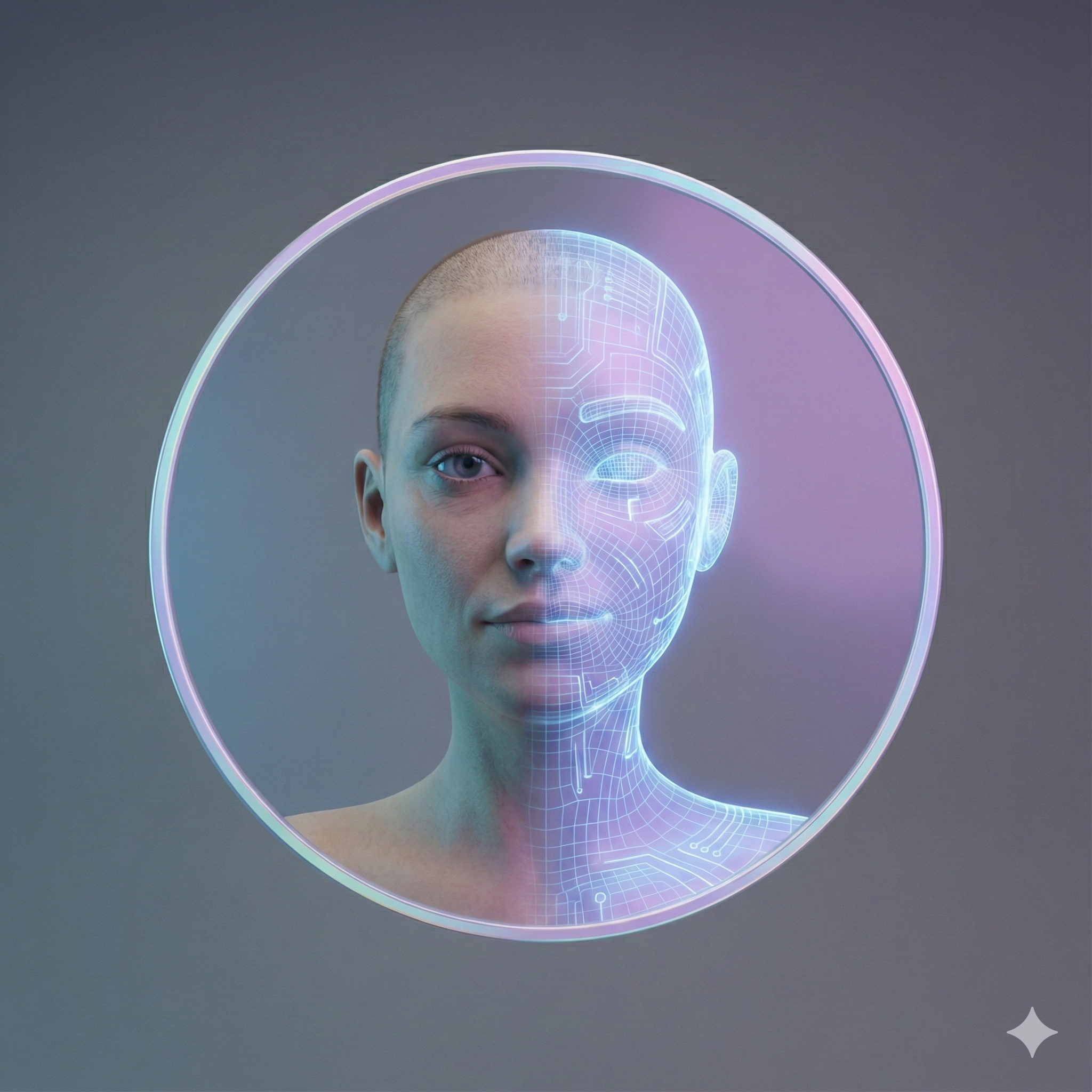
03 — The Phygital Adopter
“I participate when ownership feels real and traceable.”
Who they are
- Users who care about authenticity & long-term value.
- Sceptical but curious about digital ownership.
- Interested in collectibles & limited drops.
Motivations
- Owning pieces that exist both physically and digitally.
- Trusting provenance & transparency.
- Collecting intentional, non-hype pieces.
Friction
- NFT/Web3 jargon fatigue.
- Distrust in short-lived hype projects.
- Fear of losing value over time.
Value in Vesso
- Phygital bundles with real value.
- NFT provenance that’s visible.
- Collectible twins with utility.
- Limited drops anchored in culture.
Connecting Archetypes to Real Product Moments
After mapping motivations and frictions across the three archetypes, we translated their needs into concrete experience scenarios. These scenarios helped us define where Vesso could create real value: cultural expression, creative visibility, and meaningful ownership. They represent the moments where identity, commerce and digital presence overlap — and where Vesso can become truly relevant.
Experience Scenarios
Three signature experiences that bring the Vesso ecosystem to life — connecting identity, culture and commerce through immersive, culture-driven interactions.
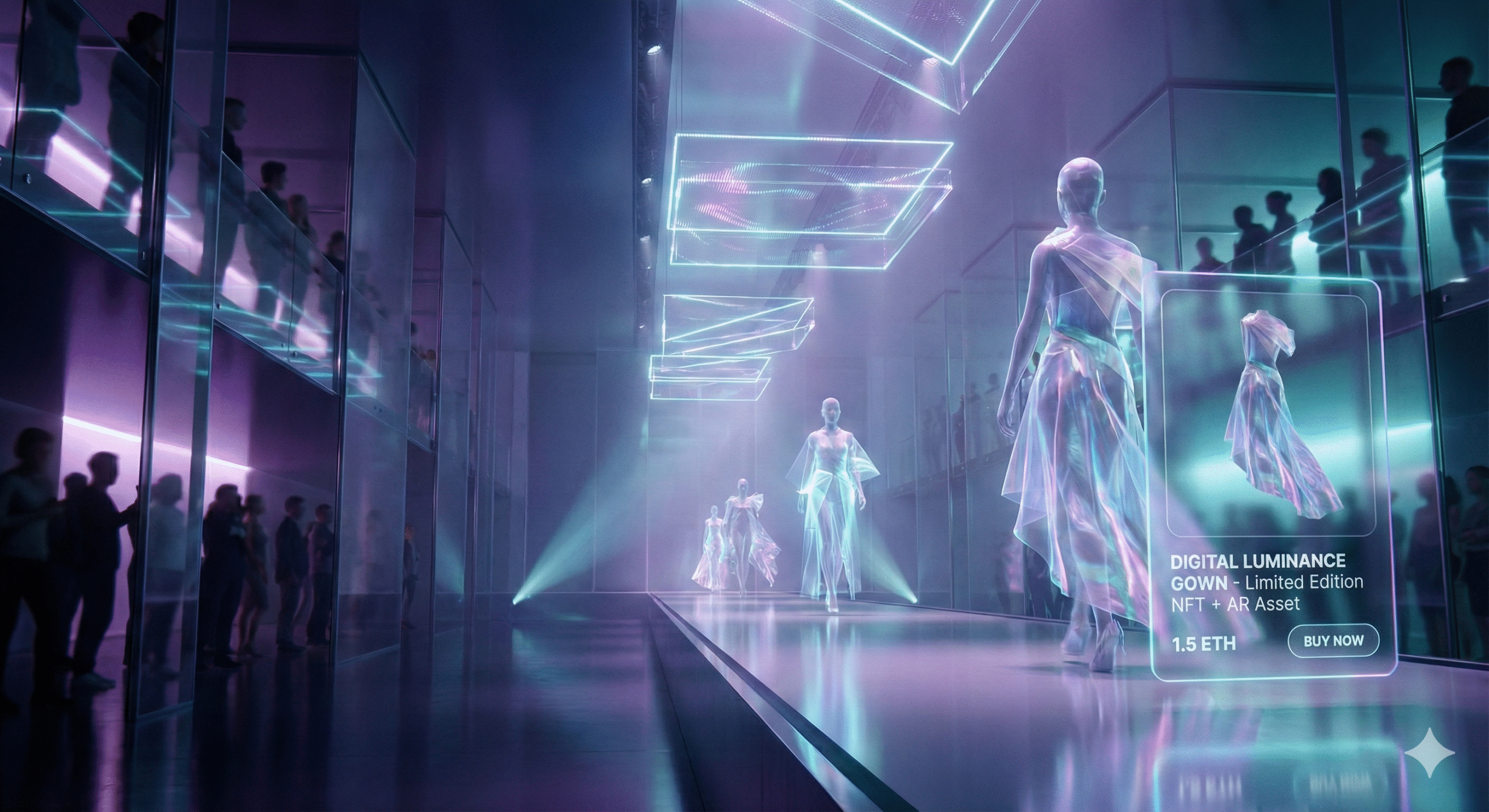
Virtual Runway Experience — where inspiration becomes identity
Runways introduce new collections in an immersive, narrative way — creating the emotional spark that leads users to explore new identities. It’s where Self-Expression Seekers discover fashion they feel connected to, and where creators gain cultural visibility.
By framing discovery as an experience rather than a catalogue, Vesso builds desire, inspiration and early-stage engagement loops.
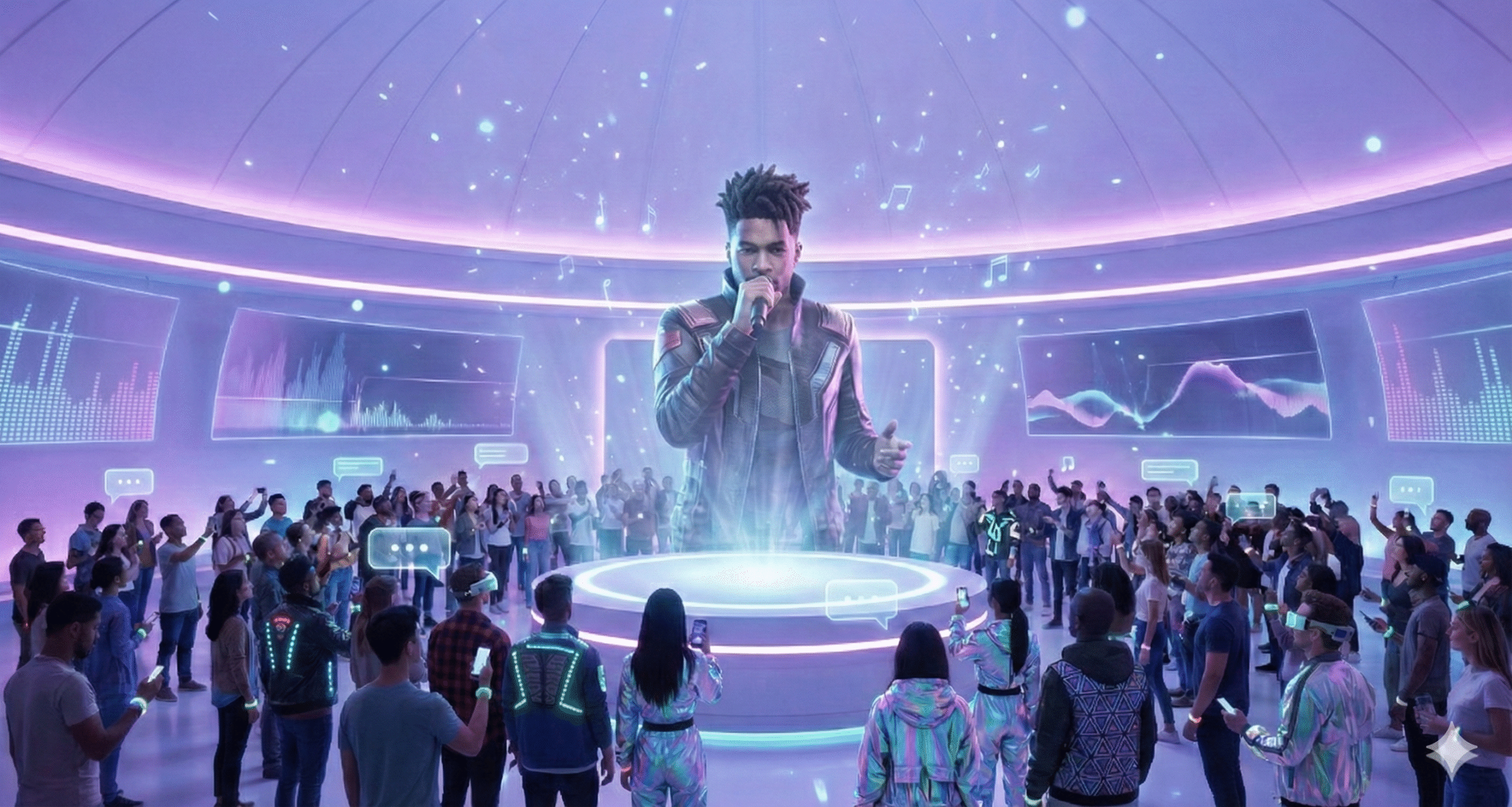
Identity Events — where users participate, not just observe
Events such as live concerts, social identity gatherings or designer showcases turn Vesso into a place where users express who they are through their avatar — and where creators showcase their work in culturally relevant ways.
These moments build retention, belonging and cultural presence, giving both creators and users reasons to return beyond transactional use.
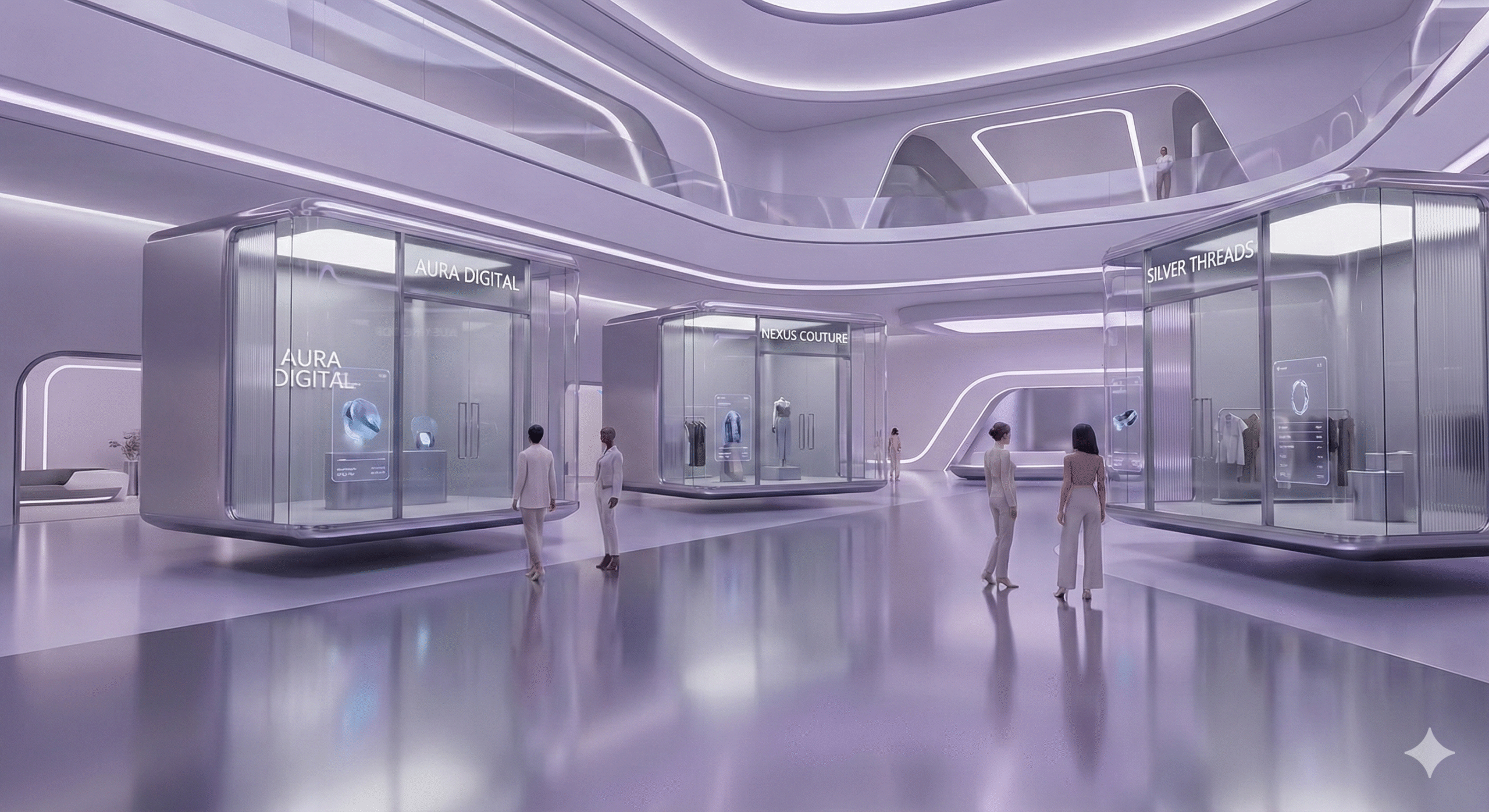
Creator Mall — where commerce feels expressive and trustworthy
A curated space where fashion designers and digital creators present their work through immersive brand worlds and phygital showrooms. This is where Phygital Adopters feel confident exploring digital twins, provenance and collectible pieces.
By blending immersive storytelling with transparent ownership, Vesso turns commerce into a cultural experience — not just a transaction.
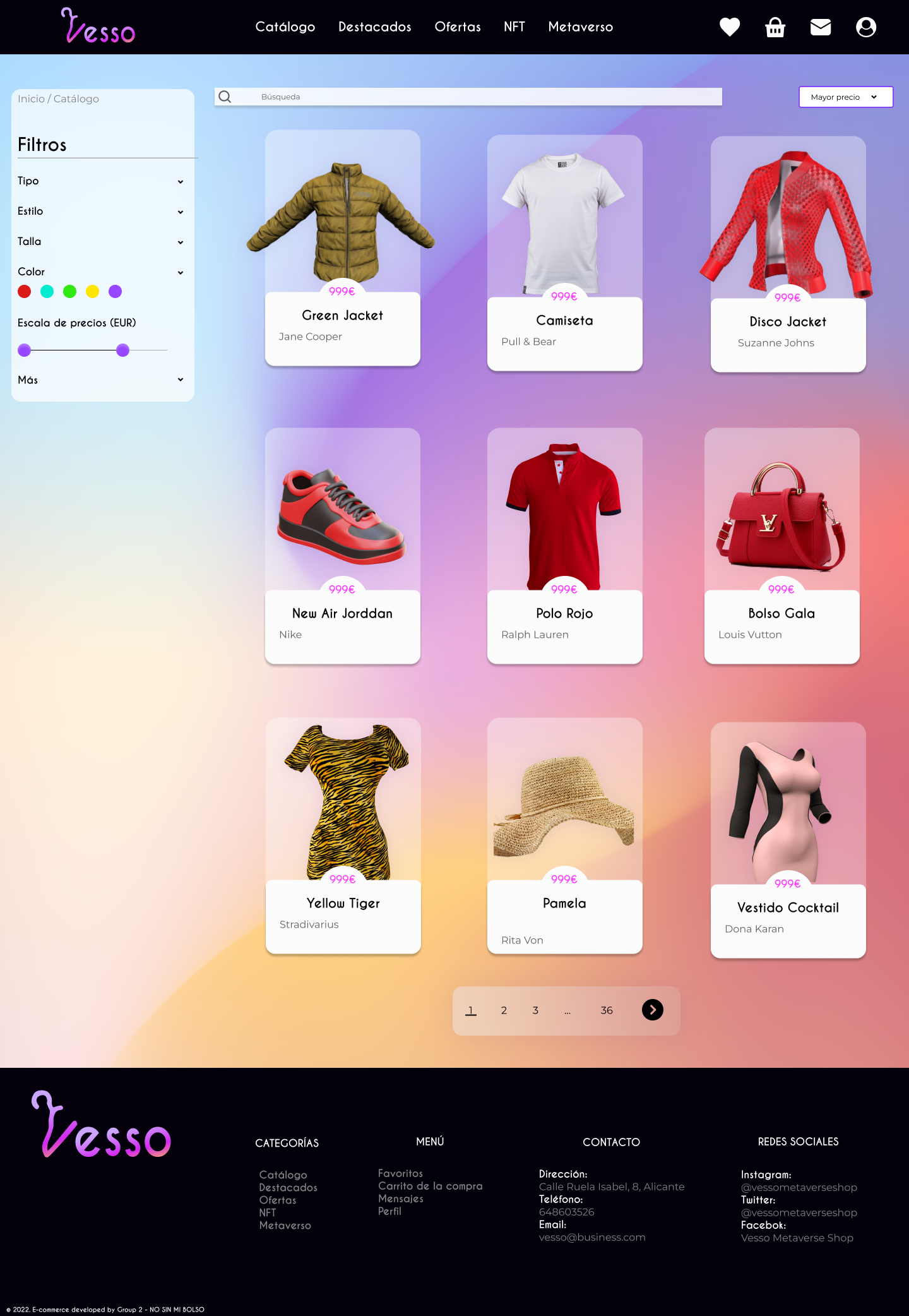
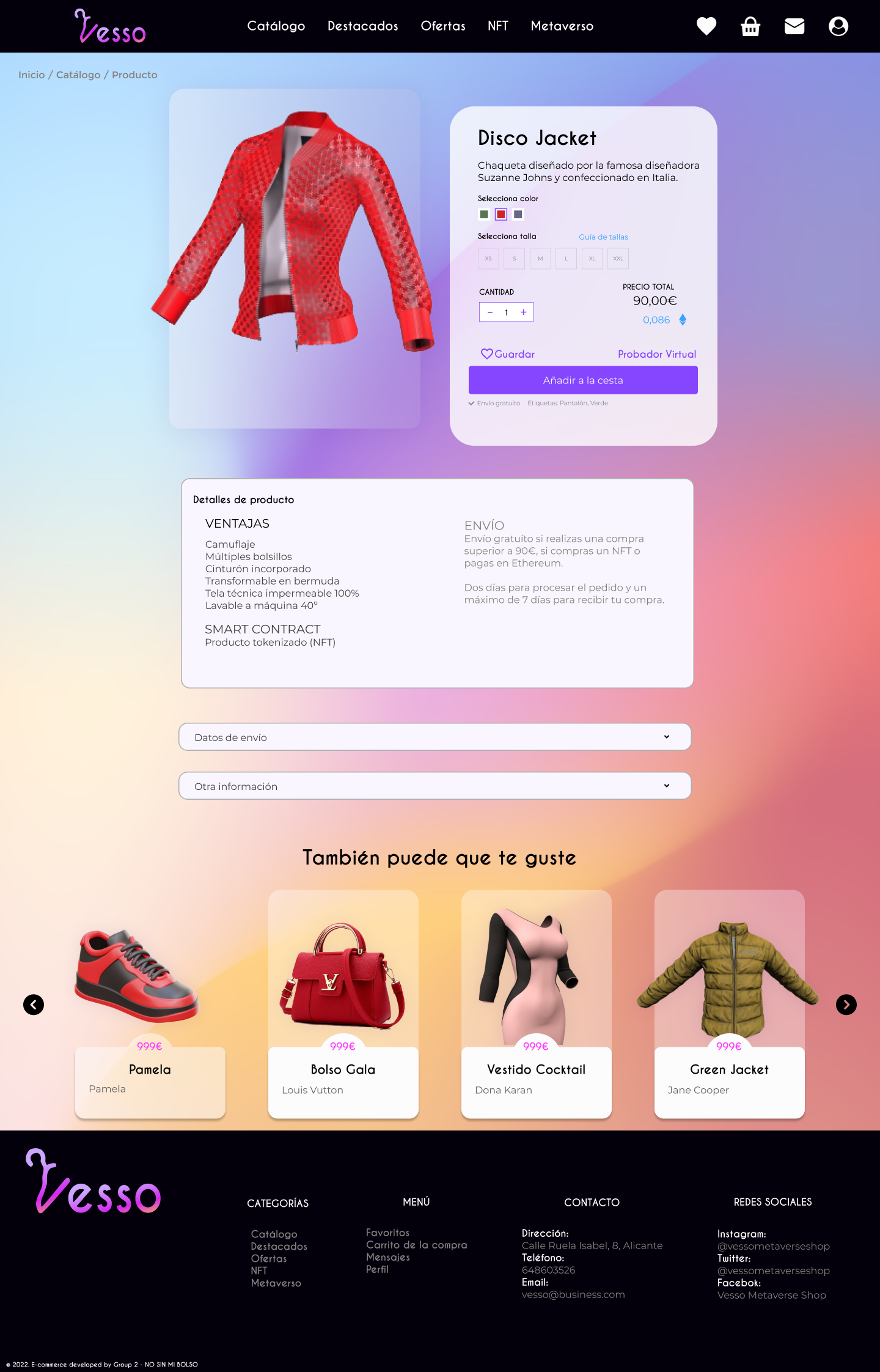
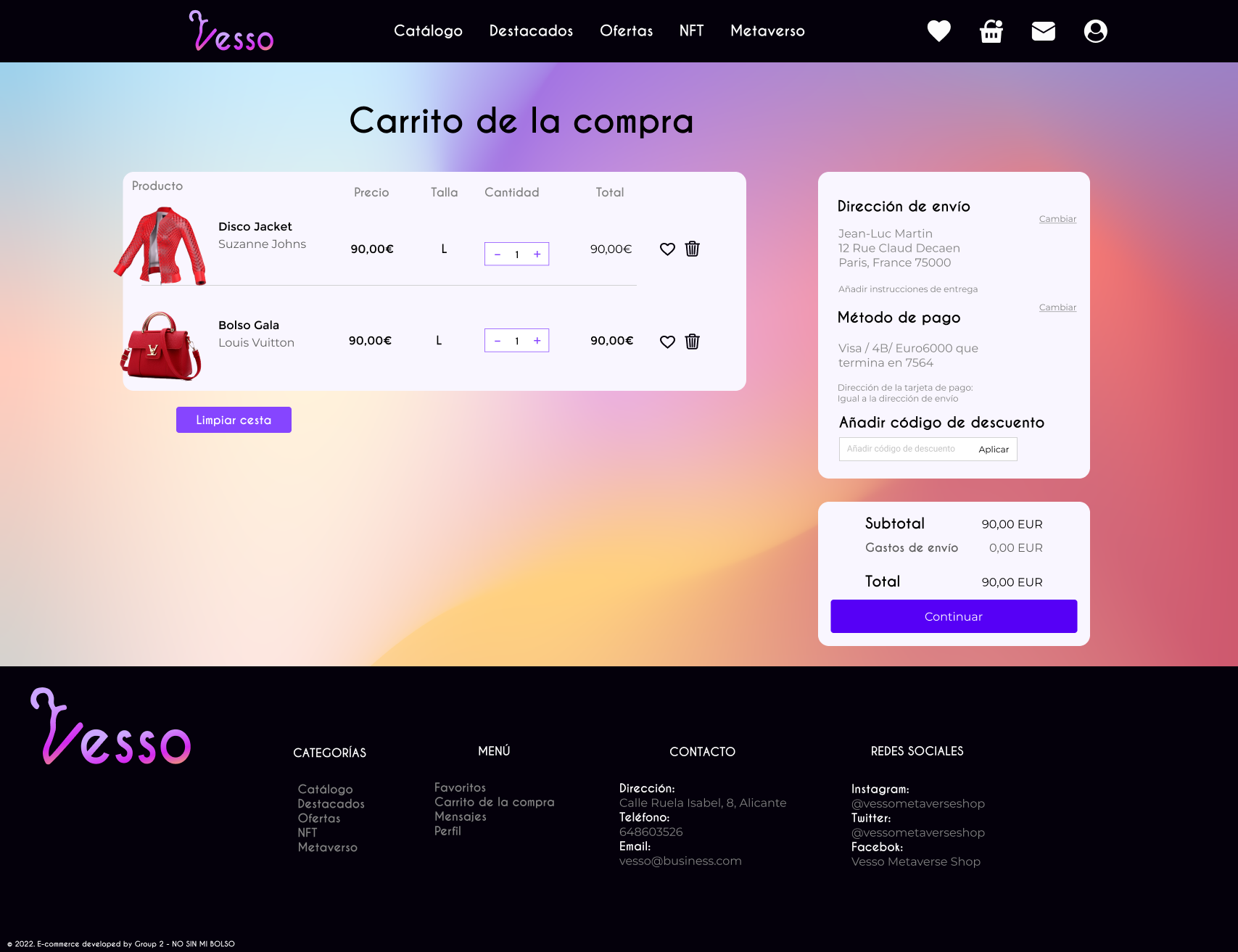
UI Direction: Translating Concept Into a Minimal Shoppable Flow
The goal for the UI wasn’t to build a polished interface — it was to demonstrate that the Vesso concept could live in a simple, usable flow.
The project created only a lightweight visual exploration of the store experience…
Design Takeaways — What This Concept Taught Me
The goal of Vesso was never to imagine a flashy metaverse showroom. It was to understand how identity, culture and value interact when fashion becomes digital — and how design can turn something abstract into something people genuinely understand and trust.
- Technology shouldn’t lead — behaviour should. Digital fashion only made sense when grounded in real motivations, anxieties and identity models.
- Meaning builds trust. Users didn’t reject virtual fashion because it was digital — they rejected it when it lacked clarity, provenance and emotional relevance.
- Strategy and product design must work together. Research translated not into features, but into an ecosystem where creators, users and brands all gain something.
- Simplicity beats spectacle. Even complex ideas like digital twins or optional NFTs become understandable when the flow is calm, familiar and jargon-free.
In the end, Vesso wasn’t about predicting the future of fashion — it was about designing a direction that feels human.
Selected Works